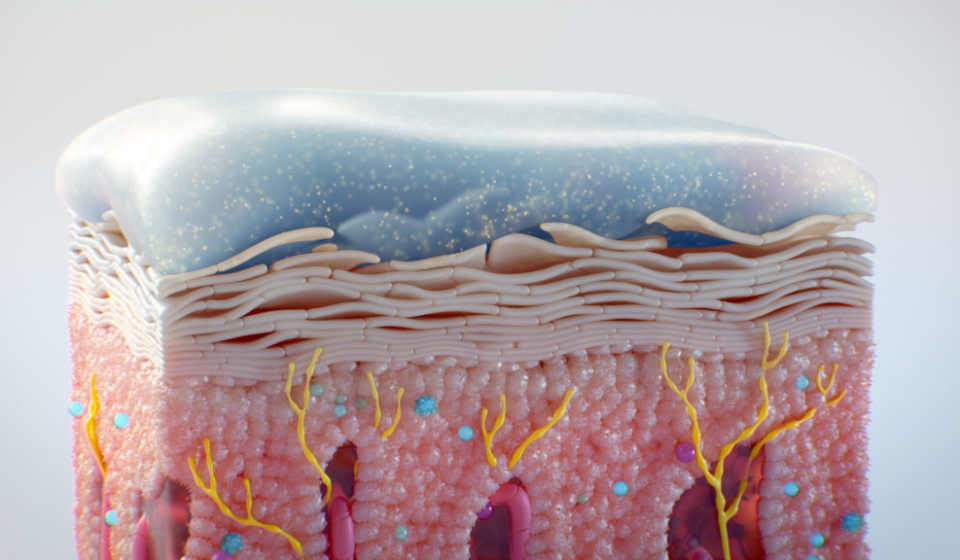

Medical education has changed dramatically over the past decade. Traditional textbooks, lectures, and static illustrations are now being complemented by advanced 3D animations, virtual simulations, and interactive learning experiences. These technologies make it easier for students, healthcare professionals, and patients to understand complex medical concepts that were once difficult to visualize.
At the center of this transformation are medical animation companies, which combine scientific knowledge with creative storytelling to produce realistic healthcare visuals. In 2026, these companies are helping medical schools, hospitals, pharmaceutical organizations, biotechnology firms, and healthcare training providers deliver engaging educational content through cutting-edge animation and visualization technologies. Industry trends show increasing use of 3D animation, virtual reality (VR), and augmented reality (AR) to improve medical education and professional training.
The Growing Importance of Medical Animation
Healthcare education involves understanding anatomy, physiology, disease progression, surgical procedures, and pharmaceutical mechanisms. Explaining these topics using only text or diagrams can be challenging.
Medical animation solves this problem by presenting information through dynamic visual storytelling. Students and professionals can observe biological processes, cellular interactions, and surgical techniques in ways that traditional learning materials cannot provide.
Today, medical animations are widely used for:
- Medical school education
- Physician training
- Surgical simulation
- Patient education
- Pharmaceutical presentations
- Biotechnology research
- Medical conferences
- Online healthcare courses
As digital learning continues to grow, demand for professional medical animations has increased significantly.
How Medical Animation Improves Learning
Visual learning has proven to be highly effective in helping learners understand and retain complex information.
Medical animation offers several educational advantages:
Better Understanding
Animations allow learners to observe organs, tissues, cells, and biological systems in motion, making difficult concepts easier to understand.
Higher Information Retention
Moving visuals combined with narration often improve memory retention compared to text-only materials.
Safe Learning Environment
Students can repeatedly watch surgical procedures and medical demonstrations without any risk to patients.
Consistent Training
Every learner receives the same high-quality educational experience regardless of location.
Increased Engagement
Interactive and visually appealing content keeps learners focused throughout lessons.
These benefits have made animation an essential part of modern medical education.
Technologies Driving Medical Education in 2026
Medical animation companies now use advanced technologies to create highly realistic educational experiences.
3D Medical Animation
Three-dimensional animation provides realistic views of:
- Human anatomy
- Disease progression
- Cellular biology
- Medical procedures
- Pharmaceutical mechanisms
These animations are commonly used by universities and pharmaceutical companies.
Virtual Reality (VR)
VR allows medical students to practice surgeries and clinical procedures inside immersive digital environments.
Benefits include:
- Risk-free practice
- Realistic simulations
- Improved confidence
- Enhanced surgical planning
Augmented Reality (AR)
AR overlays digital medical information onto real-world environments.
Healthcare professionals use AR to visualize anatomy, explain treatments, and support medical training.
Interactive Learning Modules
Instead of watching passive videos, learners can explore anatomy, rotate organs, and interact with medical models at their own pace.
These technologies continue to reshape healthcare education worldwide.
Leading Medical Animation Companies in 2026
Several companies have established strong reputations for producing educational healthcare content.
Random42
Random42 is recognized for pharmaceutical animations, scientific storytelling, and immersive VR experiences.
Its work supports:
- Drug mechanism education
- Medical conferences
- Healthcare marketing
- Scientific communication
XVIVO Scientific Animation
XVIVO is known for creating highly detailed molecular and cellular animations used by pharmaceutical companies, research organizations, and universities.
Its animations are widely respected for scientific accuracy.
VOKA
VOKA specializes in medical education through 3D anatomy models, AR applications, VR learning experiences, and healthcare visualization.
The company focuses heavily on interactive medical education.
Hybrid Medical Animation
Hybrid Medical Animation develops educational content for hospitals, medical schools, and pharmaceutical companies.
Their expertise includes:
- Surgical animations
- Patient education
- Medical device demonstrations
- Clinical training
Visual Science
Visual Science combines scientific expertise with cinematic-quality animation to explain biological and pharmaceutical concepts.
Their work is widely used within biotechnology and life sciences.
Applications in Medical Education
Medical animation now supports education across multiple healthcare disciplines.
Medical Schools
Students use animations to study anatomy, physiology, pathology, and surgical techniques.
Hospitals
Hospitals educate patients before procedures while also training physicians and nursing staff.
Pharmaceutical Companies
Drug manufacturers explain mechanisms of action, treatment pathways, and clinical research through animation.
Biotechnology
Researchers use animation to communicate laboratory discoveries and complex scientific innovations.
Online Learning
Medical e-learning platforms increasingly rely on animation to improve student engagement and accessibility.
Benefits for Healthcare Organizations
Medical animation offers long-term value beyond education.
Organizations benefit through:
- Better patient communication
- More effective physician training
- Stronger marketing campaigns
- Improved conference presentations
- Enhanced investor communication
- Greater public awareness
Animations simplify technical information while improving audience engagement.
Choosing the Right Medical Animation Company
When selecting a partner, healthcare organizations should consider:
- Scientific expertise
- Healthcare industry experience
- Portfolio quality
- 3D animation capabilities
- VR and AR services
- Communication process
- Revision policies
- Production timelines
Reviewing previous healthcare projects helps determine whether a company can meet your educational goals. Many buyers compare providers based on scientific accuracy, visualization quality, turnaround time, and specialization.
Future Trends
Medical education continues evolving rapidly.
Emerging trends include:
- AI-assisted animation production
- Real-time 3D rendering
- Personalized learning experiences
- Interactive anatomy platforms
- Mixed reality simulations
- Cloud-based medical education
These innovations are expected to make healthcare education even more accessible and engaging over the coming years.
Conclusion
Medical animation has become one of the most valuable educational tools in modern healthcare. By transforming complicated scientific concepts into realistic visual experiences, leading medical animation companies are helping students, physicians, researchers, and patients learn more effectively than ever before.