Technology
Latest Technology Trends in 2026 A Beginner’s Guide to the Future of Technology
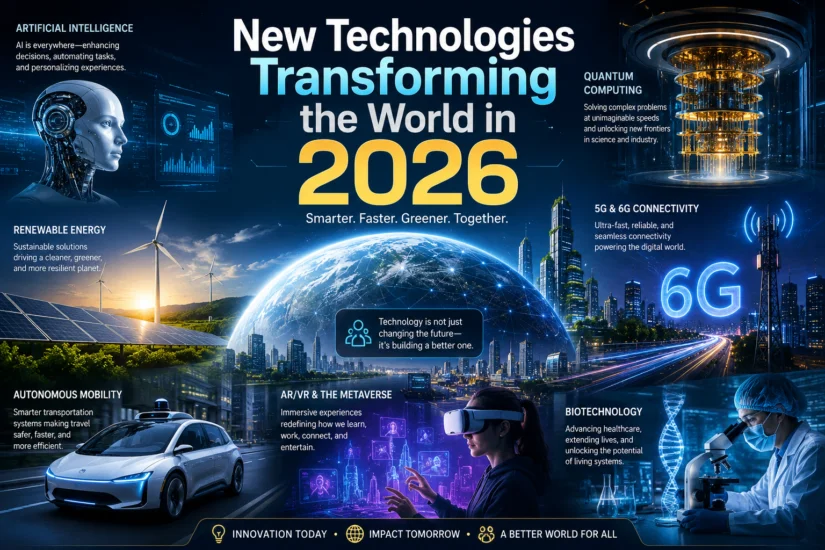
Technology is changing faster than ever before. Every year, new innovations transform the way we work, communicate, learn, and live. From Artificial Intelligence (AI) to cloud computing, cybersecurity, and smart devices, the world is becoming more connected and intelligent.
Understanding the latest technology trends is no longer just for IT professionals. Students, business owners, freelancers, and everyday users can all benefit from learning about modern technology. Whether you want to build a career in tech, improve your digital skills, or simply stay informed, knowing the latest developments can give you a competitive advantage.
This beginner-friendly guide explains the most important technology trends, how they work, and why they matter in everyday life.
Why Technology Matters
Technology has become an essential part of modern society. It helps people communicate instantly, automate tasks, improve healthcare, support education, and grow businesses.
Some major benefits of technology include:
- Faster communication
- Better productivity
- Improved education
- Smart healthcare
- Business automation
- Online learning opportunities
- Digital entertainment
- Global connectivity
As technology continues to evolve, learning about new innovations becomes increasingly important.
1. Artificial Intelligence (AI)
Artificial Intelligence is one of the biggest technology trends today. AI enables computers to perform tasks that normally require human intelligence, such as understanding language, recognizing images, and making predictions.
Common uses of AI include:
- AI chatbots
- Voice assistants
- Language translation
- Image recognition
- Personalized recommendations
- Customer support automation
AI is helping businesses improve efficiency while making everyday life easier for users.
2. Machine Learning
Machine Learning is a branch of Artificial Intelligence where systems learn from data without being explicitly programmed.
Examples include:
- Spam email detection
- Netflix recommendations
- Fraud detection
- Online shopping suggestions
- Predictive analytics
Machine learning is powering many of the digital services people use every day.
3. Cloud Computing
Cloud Computing allows users to store files, run applications, and access services over the internet instead of relying on local computers.
Benefits include:
- Easy file sharing
- Secure backups
- Remote work support
- Lower infrastructure costs
- Better collaboration
Cloud technology is becoming essential for businesses, schools, and individuals.
4. Cybersecurity
As digital services grow, protecting personal and business data becomes increasingly important.
Cybersecurity helps defend against:
- Malware
- Phishing attacks
- Data breaches
- Identity theft
- Ransomware
Basic cybersecurity practices include using strong passwords, enabling two-factor authentication, keeping software updated, and avoiding suspicious links.
5. Internet of Things (IoT)
The Internet of Things connects everyday devices to the internet, allowing them to collect and exchange data.
Examples include:
- Smart TVs
- Smart refrigerators
- Fitness trackers
- Smart security cameras
- Smart lighting systems
IoT makes homes and workplaces more efficient and convenient.
6. 5G Technology
5G is the latest generation of mobile network technology, offering faster internet speeds, lower latency, and more reliable connections.
Advantages include:
- Faster downloads
- Better video streaming
- Improved online gaming
- Enhanced video conferencing
- Support for smart cities
As 5G expands, it will enable more advanced digital experiences.
7. Blockchain Technology
Blockchain is a secure digital ledger that records transactions across multiple computers.
It is widely used for:
- Cryptocurrency
- Supply chain tracking
- Digital identity
- Smart contracts
- Secure record keeping
Because blockchain is transparent and difficult to alter, it is gaining popularity across many industries.
8. Virtual Reality (VR) and Augmented Reality (AR)
Virtual Reality creates fully immersive digital environments, while Augmented Reality overlays digital information onto the real world.
Applications include:
- Gaming
- Education
- Medical training
- Real estate
- Product visualization
These technologies are changing how people learn, shop, and interact with digital content.
9. Robotics
Modern robots are becoming more intelligent and capable of performing complex tasks.
Robotics is used in:
- Manufacturing
- Healthcare
- Agriculture
- Warehousing
- Space exploration
Automation through robotics helps improve productivity while reducing repetitive work.
10. Green Technology
Green Technology focuses on protecting the environment through sustainable innovation.
Examples include:
- Solar energy
- Electric vehicles
- Wind power
- Smart energy systems
- Recycling technologies
Green technology supports a cleaner and more sustainable future.
Technology in Education
Technology has transformed education by making learning more accessible and interactive.
Students now use:
- Online learning platforms
- Educational apps
- Digital classrooms
- AI learning assistants
- Video tutorials
Technology allows learners to study anytime and anywhere.
Technology in Business
Businesses rely heavily on modern technology to improve operations.
Technology helps companies:
- Automate tasks
- Improve customer service
- Analyze business data
- Increase productivity
- Reduce operational costs
Organizations that adopt new technology often remain more competitive.
Technology Careers
The technology industry offers excellent career opportunities.
Popular technology careers include:
- Software Developer
- Data Analyst
- AI Engineer
- Cybersecurity Specialist
- Cloud Engineer
- Web Developer
- Mobile App Developer
- Network Administrator
- UX/UI Designer
- Data Scientist
Learning technology skills today can lead to rewarding careers in the future.
Technology Tips for Beginners
If you are new to technology, these tips can help:
- Learn one skill at a time.
- Practice regularly.
- Stay updated with technology news.
- Take online courses.
- Build small projects.
- Focus on problem-solving.
- Keep your software updated.
- Protect your online accounts with strong security.
Consistency is the key to mastering technology.
The Future of Technology
The future of technology promises exciting advancements. Artificial Intelligence, robotics, quantum computing, biotechnology, and space technology are expected to reshape industries and everyday life.
People who continue learning and adapting to new technologies will have more opportunities in education, business, and employment.
Technology will continue to make life smarter, faster, and more connected.
Conclusion
Technology is shaping every aspect of modern life, from communication and education to healthcare and business. Understanding the latest technology trends helps beginners prepare for the future and make informed decisions in an increasingly digital world.
Whether you are interested in Artificial Intelligence, cloud computing, cybersecurity, blockchain, IoT, or robotics, learning technology is an investment in your future. By staying curious, practicing regularly, and embracing innovation, anyone can build valuable digital skills and succeed in the rapidly evolving technology landscape.