

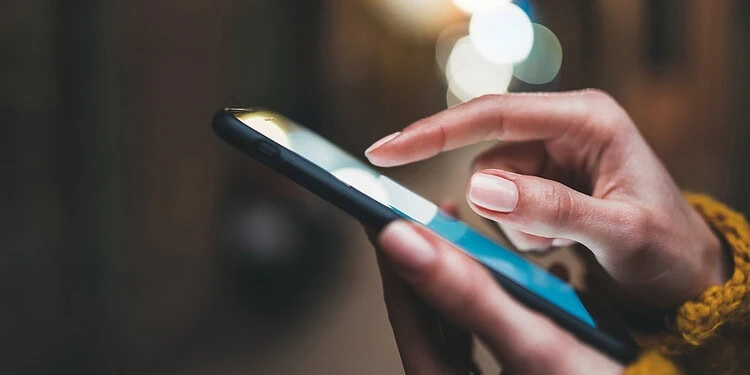
Social media has become an essential part of modern life. Platforms such as Facebook, Instagram, TikTok, X (formerly Twitter), and YouTube allow people to connect, share experiences, and stay informed about current events. While these platforms provide numerous benefits, mental health experts are increasingly concerned about their impact on emotional well-being.
Recent studies suggest that excessive social media use may contribute to anxiety, depression, low self-esteem, and stress. As digital technology continues to evolve, understanding the relationship between social media and mental health has become more important than ever. Researchers, healthcare professionals, and educators are actively examining how online behaviors influence emotional wellness and what individuals can do to maintain a healthy balance.
The Rise of Social Media in Daily Life
Over the last decade, social media usage has increased dramatically worldwide. Millions of people spend several hours each day scrolling through feeds, watching videos, sharing updates, and interacting with online communities.
For many individuals, social media serves as a primary source of news, entertainment, and communication. While these platforms offer convenience and connectivity, they also expose users to constant information, opinions, and comparisons that can affect mental health.
Experts emphasize that social media itself is not inherently harmful. Instead, the way individuals use these platforms often determines whether the impact is positive or negative.
The Positive Effects of Social Media
Before discussing the challenges, it is important to recognize that social media can provide several mental health benefits.
Building Connections
Social media allows people to stay connected with friends, family members, and communities regardless of geographic distance. This can help reduce feelings of loneliness and isolation.
Access to Support Networks
Many individuals use online groups to find emotional support, share experiences, and learn coping strategies from others facing similar challenges.
Educational Resources
Mental health organizations and professionals often use social media to share valuable information about stress management, anxiety, depression, and self-care.
Raising Awareness
Social media has helped normalize conversations about mental health, encouraging more people to seek support and discuss emotional challenges openly.
While these benefits are significant, experts warn that excessive or unhealthy usage can create serious mental health concerns.
The Problem of Social Comparison
One of the most common psychological effects of social media is social comparison.
People frequently compare their appearance, lifestyle, career achievements, and relationships to the content they see online. However, social media often presents carefully selected highlights rather than complete realities.
Users may see:
- Luxury vacations
- Career successes
- Fitness transformations
- Perfect relationships
- Expensive lifestyles
Constant exposure to idealized content can create unrealistic expectations and feelings of inadequacy. Many individuals begin to believe they are falling behind compared to others, leading to lower self-esteem and increased anxiety.
Why Young Adults Are Most Affected
Research indicates that teenagers and young adults are particularly vulnerable to the negative effects of social media.
Several factors contribute to this vulnerability:
Identity Development
Young people are still developing their sense of identity and self-worth. Online comparisons can strongly influence how they view themselves.
Peer Validation
Likes, comments, and follower counts can become measures of self-worth, creating emotional dependence on online approval.
Fear of Missing Out (FOMO)
Many users experience anxiety when they see others participating in events or activities without them. This phenomenon, known as FOMO, has become increasingly common among younger generations.
Increased Screen Time
Extended periods of screen use may reduce face-to-face interactions, physical activity, and sleep quality, all of which affect mental well-being.
Latest Mental Health News Reveals Growing Concerns
Recent studies continue to highlight the relationship between excessive social media use and mental health challenges.
Researchers have found that individuals who spend multiple hours per day on social platforms are more likely to report symptoms of:
- Anxiety
- Depression
- Loneliness
- Sleep disturbances
- Emotional exhaustion
Mental health professionals stress that these findings do not necessarily mean social media directly causes mental illness. However, excessive use appears to increase risk factors associated with emotional distress.
As awareness grows, experts are encouraging healthier digital habits and greater education about online wellness.
The Impact on Sleep and Mental Health
Sleep plays a critical role in emotional regulation and cognitive function. Unfortunately, social media often interferes with healthy sleep patterns.
Many users spend time scrolling through content before bed, exposing themselves to stimulating information and blue light from screens. This can make it difficult to fall asleep and reduce sleep quality.
Poor sleep has been linked to:
- Increased anxiety
- Mood swings
- Reduced concentration
- Higher stress levels
- Emotional instability
Experts recommend limiting social media use at least one hour before bedtime to improve sleep quality.
Cyberbullying and Online Harassment
Another growing concern is cyberbullying. Unlike traditional bullying, online harassment can occur at any time and reach a large audience quickly.
Victims of cyberbullying often experience:
- Emotional distress
- Anxiety
- Depression
- Social withdrawal
- Reduced self-confidence
Schools, parents, and social media companies are working to address this issue through awareness programs and stronger reporting systems.
Creating safer online environments remains a major priority for mental health advocates.
Healthy Ways to Use Social Media
Mental health experts do not recommend completely avoiding social media. Instead, they encourage individuals to develop healthier digital habits.
Set Daily Time Limits
Limiting screen time can help prevent excessive use and encourage more balanced lifestyles.
Follow Positive Content
Choose accounts that inspire, educate, and support personal growth rather than promoting unrealistic comparisons.
Take Regular Breaks
Periodic digital detoxes can reduce stress and improve emotional well-being.
Prioritize Real-Life Relationships
Maintaining strong offline connections helps create emotional balance and reduces dependence on online interactions.
Be Mindful of Emotional Reactions
Pay attention to how certain content affects mood and mental health. Unfollow accounts that consistently trigger negative feelings.
The Role of Parents and Educators
Parents and educators play a crucial role in helping young people develop healthy relationships with technology.
They can support mental wellness by:
- Encouraging open discussions about social media
- Teaching digital literacy skills
- Promoting balanced screen habits
- Monitoring online safety
- Supporting healthy self-esteem
Early education about responsible social media use can help reduce future mental health risks.
Future Solutions and Industry Changes
Technology companies are increasingly recognizing concerns about mental wellness. Some platforms are introducing features designed to promote healthier online experiences.
Examples include:
- Screen time reminders
- Content moderation tools
- Privacy controls
- Mental health resources
- Reduced emphasis on public engagement metrics
Experts believe continued collaboration between technology companies, healthcare professionals, educators, and policymakers will be necessary to address the challenges associated with social media.
Conclusion
Social media has transformed communication and created countless opportunities for connection and learning. However, excessive use can also contribute to anxiety, stress, sleep problems, and low self-esteem.
The latest Mental Health News continues to emphasize the importance of balanced digital habits and greater awareness of social media’s psychological effects. By using technology mindfully, maintaining strong real-world relationships, and prioritizing emotional well-being, individuals can enjoy the benefits of social media while protecting their mental health in an increasingly digital world.
Leave a Reply