

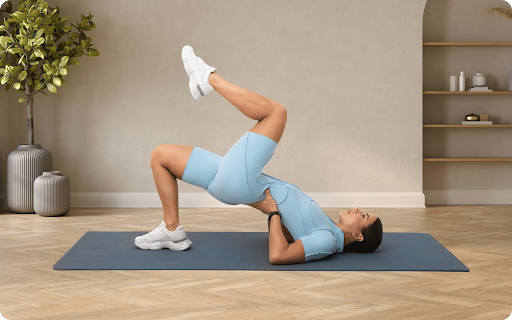
Starting a fitness journey can feel overwhelming, especially if you’re new to exercise or don’t have access to a gym. The good news is that you don’t need expensive equipment or a gym membership to get fit. A well-structured Home Workout Plan can help you build strength, improve endurance, burn calories, and enhance your overall health from the comfort of your own home.
Whether your goal is weight loss, muscle toning, or simply improving your fitness level, following a consistent workout routine can help you achieve lasting results. This guide will walk you through everything beginners need to know about creating an effective home fitness routine.
Why Choose a Home Workout?
Home workouts have become increasingly popular because they offer convenience and flexibility. You can exercise whenever it fits your schedule without worrying about travel time or gym fees.
Some key benefits include:
- Saves time and money
- No gym membership required
- Flexible workout schedule
- Comfortable environment
- Suitable for all fitness levels
- Easy to stay consistent
For beginners, working out at home can also reduce anxiety and help build confidence before progressing to more advanced fitness programs.
Preparing for Your Workout
Before beginning any fitness routine, it’s important to prepare your body properly. Start by wearing comfortable clothing and supportive shoes. Make sure you have enough space to move safely without obstacles.
Keep a water bottle nearby to stay hydrated throughout your workout. If possible, use a yoga mat or exercise mat for additional comfort during floor exercises.
The Importance of Warming Up
A proper warm-up prepares your muscles and joints for exercise while reducing the risk of injury. Spend 5 to 10 minutes performing light movements before every workout.
Examples of warm-up exercises include:
- Marching in place
- Arm circles
- Jumping jacks
- Leg swings
- Shoulder rolls
- Light jogging in place
Warming up increases blood flow and helps improve overall workout performance.
Beginner-Friendly Full Body Workout
This simple routine targets all major muscle groups and requires no equipment.
1. Bodyweight Squats
Squats strengthen your legs, glutes, and core.
How to perform:
- Stand with feet shoulder-width apart.
- Lower your hips as if sitting in a chair.
- Keep your chest up and back straight.
- Return to the starting position.
Recommended:
- 3 sets of 12 repetitions
2. Push-Ups
Push-ups build upper body strength and improve core stability.
Beginners can perform modified push-ups on their knees.
Recommended:
- 3 sets of 8–12 repetitions
3. Lunges
Lunges target the legs, glutes, and balance muscles.
How to perform:
- Step forward with one foot.
- Lower both knees until they form approximately 90-degree angles.
- Push back to the starting position.
Recommended:
- 3 sets of 10 repetitions per leg
4. Plank
The plank is one of the best exercises for strengthening the core.
How to perform:
- Support your body on your forearms and toes.
- Keep your body in a straight line.
- Engage your abdominal muscles.
Recommended:
- Hold for 20–30 seconds
- Repeat 3 times
5. Glute Bridges
This exercise strengthens the glutes and lower back.
Recommended:
- 3 sets of 15 repetitions
6. Mountain Climbers
Mountain climbers increase heart rate while working multiple muscle groups.
Recommended:
- 3 rounds of 30 seconds
Weekly Workout Schedule
Consistency is more important than intensity for beginners. A simple weekly routine may look like this:
Monday
Full-body workout
Tuesday
Light walking or stretching
Wednesday
Full-body workout
Thursday
Active recovery
Friday
Full-body workout
Saturday
Cardio session
Sunday
Rest day
This schedule allows adequate recovery while helping you establish healthy exercise habits.
Cardio Exercises at Home
Cardiovascular exercise improves heart health and helps burn calories. The following exercises require no equipment:
Jumping Jacks
A classic cardio movement that raises your heart rate quickly.
High Knees
Run in place while lifting your knees as high as possible.
Burpees
A full-body exercise that combines strength and cardio training.
Dancing
A fun way to stay active and burn calories.
Brisk Walking
Walking indoors or outdoors is one of the safest forms of exercise for beginners.
Aim for at least 150 minutes of moderate-intensity cardio each week.
Focus on Proper Form
Using correct form is essential for preventing injuries and maximizing results. Quality repetitions are more important than quantity.
Remember to:
- Move slowly and with control
- Maintain proper posture
- Engage your core muscles
- Avoid rushing through exercises
- Listen to your body
If an exercise causes pain, stop immediately and reassess your technique.
Nutrition and Fitness
Exercise alone is not enough to achieve optimal results. Proper nutrition plays a crucial role in supporting your fitness goals.
Focus on:
- Lean protein sources
- Whole grains
- Fruits and vegetables
- Healthy fats
- Plenty of water
Avoid excessive consumption of processed foods, sugary drinks, and high-calorie snacks.
A balanced diet provides the energy your body needs for workouts and recovery.
The Importance of Recovery
Many beginners underestimate the value of rest. Recovery allows muscles to repair and grow stronger.
Ways to improve recovery include:
- Getting 7–9 hours of sleep
- Staying hydrated
- Eating nutritious meals
- Stretching regularly
- Taking rest days
Remember that progress happens during recovery as much as during workouts.
Staying Motivated
One of the biggest challenges for beginners is maintaining consistency. Motivation often comes and goes, but habits create long-term success.
Tips for staying motivated:
- Set realistic goals
- Track your progress
- Celebrate small victories
- Follow a schedule
- Find workouts you enjoy
- Exercise with a friend
Even small improvements can lead to significant results over time.
Common Beginner Mistakes
Avoid these common mistakes when starting a fitness routine:
- Skipping warm-ups
- Exercising too intensely too soon
- Ignoring recovery
- Poor nutrition habits
- Inconsistent workouts
- Comparing yourself to others
Fitness is a personal journey, and everyone progresses at a different pace.
Long-Term Benefits of Home Workouts
Following a consistent Home Workout Plan can provide numerous long-term health benefits, including:
- Increased strength
- Better cardiovascular health
- Improved flexibility
- Higher energy levels
- Better mental health
- Reduced stress
- Improved body composition
- Enhanced confidence
Over time, these benefits contribute to a healthier and more active lifestyle.
Conclusion
Starting a fitness journey does not require expensive equipment or complicated training programs. With dedication, consistency, and a beginner-friendly routine, you can achieve impressive results from home. Focus on mastering basic exercises, maintaining proper form, eating a balanced diet, and giving your body enough time to recover.
Remember that fitness is not about perfection. It is about making steady progress and developing healthy habits that last a lifetime. Stay patient, remain consistent, and enjoy the process as you work toward becoming stronger, healthier, and more confident every day.
Leave a Reply